

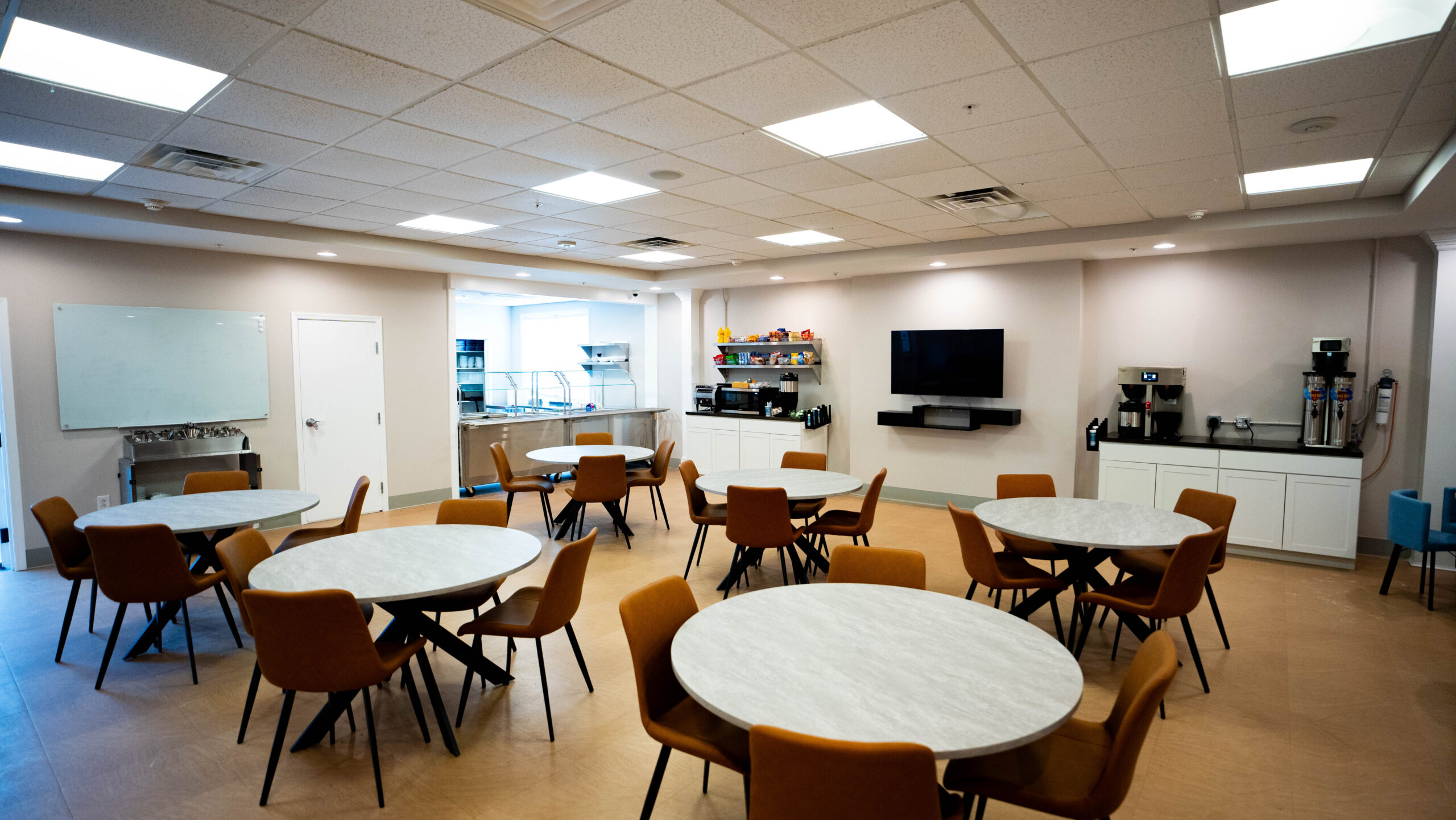
Inpatient Rehabilitation Facilities, or IRFs, are specialized medical centers where patients receive intensive therapy after an injury, illness, or surgery. These facilities bring together teams of healthcare professionals who create personalized treatment plans for each patient. Reliable rehab centers in NYC and across the country offer round-the-clock medical support alongside daily therapy sessions designed to speed up recovery. This guide covers the types of therapies available, who qualifies for admission, and what sets IRFs apart from other care settings. We'll also look at the care teams involved and what happens when it's time to go home.
Types of Therapies Offered
Inpatient rehabilitation facilities offer a range of therapies to meet diverse patient needs. Physical therapy works on improving mobility, strength, and balance through exercises and hands-on techniques. Occupational therapy helps patients relearn daily living skills and regain independence with activities such as self-care, work tasks, and hobbies. Speech therapy addresses communication and swallowing problems using targeted exercises and strategies. Recreational therapy uses fun activities to support physical, mental, emotional, and social health. Skilled therapists build treatment plans tailored to each patient's specific goals, ensuring they receive the care they need for the best results.
Qualifications for Admission
Getting into an inpatient rehabilitation facility means meeting certain criteria set by the medical team. Patients typically need a condition that calls for intensive therapy, usually after a major injury, illness, or surgery. To qualify, you must be able to handle at least three hours of therapy per day, five days a week. You also need to show potential for improvement through therapy and be medically stable enough to benefit from the program. Patients should have 24-hour access to nursing staff and physicians. These facilities prioritize people who can actively participate in their own recovery to get the most out of the program.
IRF Vs. Other Facilities
Comparing inpatient rehabilitation facilities to other healthcare settings reveals clear differences in care levels and resources.
- Multidisciplinary Team: IRFs have a full team of professionals, including physicians, nurses, physical therapists, and occupational therapists, all working together toward the patient's recovery goals.
- Intensive Therapy: Patients in IRFs receive intensive therapy sessions tailored to their specific needs, often totaling several hours each day.
- Specialized Equipment: IRFs have rehabilitation equipment you won't typically find in other healthcare settings.
- Structured Environment: IRFs create a focused, supportive space designed to help patients reach their full recovery potential.
Benefits of Choosing an IRF
Picking an inpatient rehabilitation facility gives patients access to specialized care and intensive therapy matched to their individual needs. IRFs use a multidisciplinary approach that combines medical, nursing, therapy, and other services into a single comprehensive treatment plan. Patients receive daily therapy sessions that are more frequent and intensive than in other settings, helping speed recovery and improve outcomes. IRFs focus only on rehabilitation, so patients receive care from experts who understand their specific challenges. The structured setup also means 24/7 access to medical staff, so help is always available if something comes up. For people who need intensive rehabilitation, choosing an IRF can lead to a more effective recovery process.
Staffing and Care Team
The staffing and care team at an inpatient rehabilitation facility includes a mix of healthcare professionals committed to personalized rehabilitation services. This team includes:
- Physiatrists: Doctors who specialize in physical medicine and rehabilitation. They lead the care team and coordinate treatment plans.
- Physical Therapists: Help patients regain mobility, strength, and balance through customized exercise programs.
- Occupational Therapists: Focus on improving patients' ability to handle daily activities and regain independence.
- Speech-Language Pathologists: Assist patients with communication and swallowing difficulties to improve their quality of life.
These professionals work together to ensure each patient receives specialized care that supports their recovery.
Discharge Planning and Aftercare
The care team carefully plans discharge and aftercare to make leaving the facility as smooth as possible. Discharge planning starts right when the patient arrives; staff assess needs, set goals, and arrange services for after the stay ends. The team works with patients, families, and community resources to build personalized aftercare plans. This includes scheduling follow-up appointments, providing medication instructions, and ensuring any necessary equipment or home modifications are ready. The goal is to make the transition from the structured facility environment to home or another care setting as seamless as possible. Good discharge planning helps patients keep the progress they made during their rehabilitation stay.
Related Topics:




.png)
.png)
.png)
.png)
.png)
.png)
.png)
.png)
.png)
.png)



















.png)


.png)
.png)


.jpg)


