


Acute inpatient rehab gives patients round-the-clock care in a structured setting focused on recovery. Choosing a local inpatient rehab means access to intensive therapy, a dedicated medical team, and a daily schedule built around healing. This type of program fits people recovering from surgery, stroke, serious injury, or other conditions that need hands-on support. Family members play a big role in the process, too. This post covers what to expect from admission to discharge so you can feel prepared for every step.
Admission Process
When you arrive at an acute inpatient rehab facility, staff will walk you through the admission process from start to finish. This can feel overwhelming, but the goal is to make things as simple as possible. You'll complete paperwork and share information to help the team build a treatment plan tailored to your specific situation. Staff will verify your insurance, go over facility rules, and answer any questions you have. From the moment you walk in, the focus is on creating a supportive space where you feel comfortable starting your recovery.
Therapy Options
Acute inpatient rehab facilities offer a range of therapies designed around individual needs. Physical therapy helps improve mobility and strength through targeted exercises. Occupational therapy focuses on daily living skills and building independence in self-care tasks. Speech therapy addresses communication issues and swallowing problems. Recreational therapy gets patients involved in enjoyable activities that support overall well-being. Each session is led by experienced professionals using proven methods to help patients reach their recovery goals.
Daily Schedule
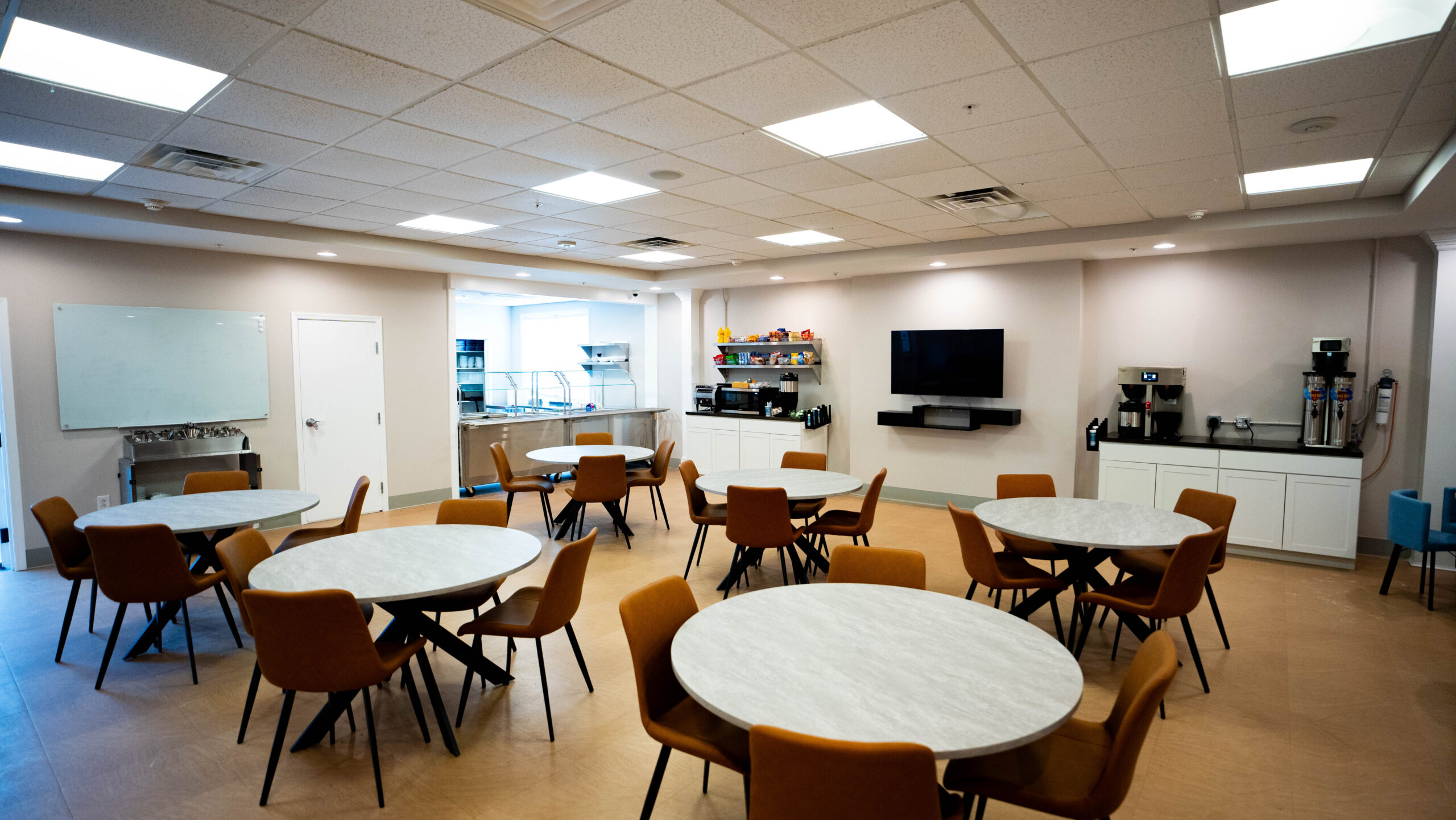
A typical day at an acute inpatient rehab facility follows a structured routine. Mornings start with personal care and breakfast to fuel up for the day ahead. After that, patients move into intensive therapy sessions, physical, occupational, and speech, based on their specific needs. Lunch breaks up the day before afternoon sessions, which often include more therapy along with educational activities aimed at building skills for independent living. Evenings are set aside for rest and socializing, giving patients a chance to connect with others going through similar experiences. Staff remain involved throughout the day to ensure each patient receives personalized attention.
Medical Team
The medical team at an acute inpatient rehab facility runs the show when it comes to patient care. Physicians who specialize in physical medicine and rehabilitation lead the group, supported by physical therapists, occupational therapists, speech therapists, nurses, and other healthcare professionals. Together, they build personalized treatment plans based on each patient's needs and goals. Doctors regularly check progress, adjust treatments when needed, and manage all medical aspects of recovery. The team's focus stays on delivering high-quality care and helping patients move toward independence.
Family Involvement
Having family members involved in rehab can make a real difference in patient outcomes. When family members participate in therapy sessions, they gain a better understanding of what the patient is dealing with and how to offer support outside the facility. This involvement also gives patients a sense of connection and motivation, both of which are important during recovery. Open communication between the family and the medical team helps everyone stay on the same page. When patients and their families work together, the whole process feels more manageable.
Discharge Planning
As the end of the rehab stay approaches, discharge planning begins to prepare patients for the next phase. This step makes sure the transition from the structured rehab environment back to daily life goes smoothly. Here are the main things the team will address:
- Setting up follow-up care with your primary care provider
- Arranging any needed medical equipment or home modifications
- Teaching self-care techniques and strategies to keep progress going after you leave
Related Topics:



.png)
.png)
.png)
.png)
.png)
.png)
.png)
.png)
.png)
.png)














.png)


.png)
.png)


.jpg)


