

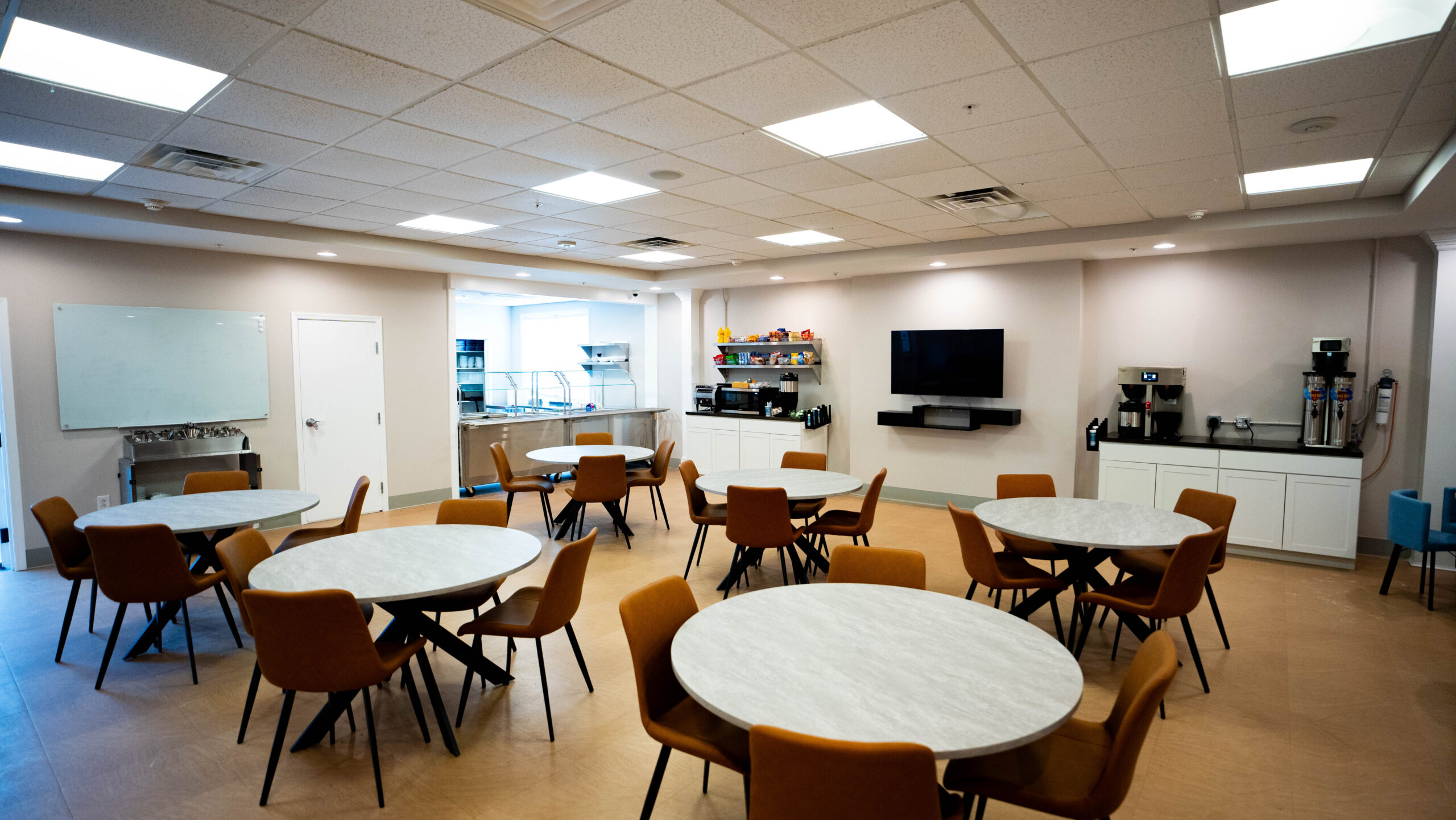
People searching for reliable rehab centers in NYC are often trying to understand what inpatient treatment actually involves and whether it fits their situation. Inpatient rehab is often described in simple terms, but the reality is more layered and personal. Some people enter treatment after years of struggling, while others arrive after a short but intense period of substance use. This type of facility is designed to remove daily pressures and provide a stable place where recovery can be the main focus, even if the decision to enter feels uncertain at first.
Understanding Inpatient Drug Rehab Facilities
Inpatient drug rehab facilities are designed to provide care throughout the day and night for people dealing with substance use issues. These centers create a setting where daily routines are planned, monitored, and adjusted based on individual needs. Treatment usually takes place in one location, which limits outside distractions and reduces access to substances. Many people find that this environment feels restrictive at first, but others describe it as a relief after long periods of instability. The goal is to offer consistent support while giving individuals time to address patterns that may not be obvious in everyday life.
Services Offered at Residential Treatment Centers
Residential treatment centers tend to offer a mix of medical care and therapeutic support that unfolds over time rather than all at once. Medical staff are usually present to help manage withdrawal symptoms and physical concerns, while counselors focus on emotional and behavioral issues tied to substance use. Therapy sessions may feel uncomfortable in the beginning, especially for those not used to talking openly, but many report that these conversations become easier with routine. Some facilities also provide quiet activities or wellness-focused sessions, which can help fill long stretches of the day and reduce restlessness.
Benefits of Inpatient Drug Rehabilitation
Inpatient rehabilitation is often chosen because of the steady structure it provides. Being in one place allows people to step away from triggers that exist at home or work. The constant presence of staff can also offer reassurance, especially during early recovery when emotions and physical symptoms may fluctuate. While no approach works the same way for everyone, many find that staying on-site creates space to think more clearly and rebuild daily habits without constant interruptions.
What to Expect During Your Stay
A stay in an inpatient facility usually follows a daily rhythm that can feel repetitive but purposeful. Days are often shaped around scheduled therapy, meals, rest periods, and check-ins with staff. Detox, if needed, is monitored closely and may take place early in the stay. Over time, attention often shifts toward understanding personal triggers and learning ways to handle stress without substances. Support is available at all hours, which can matter during moments when cravings or anxiety surface unexpectedly.
Importance of Medical Supervision in Rehab
Medical supervision is a key part of inpatient rehab because withdrawal and early recovery can affect the body in unpredictable ways. Health professionals monitor symptoms and adjust care when necessary, which helps reduce risks tied to detox. This oversight also allows for quicker responses if complications arise. Many people underestimate how physically demanding early recovery can be, and having medical staff nearby can make the process feel safer and more manageable.
Aftercare and Continuing Support Options
After leaving an inpatient program, ongoing support often plays a large role in maintaining progress. Some people continue with counseling, while others seek peer-based support or structured living arrangements. Follow-up care helps address challenges that appear once daily responsibilities return. Recovery rarely feels finished at discharge, and continued guidance can help individuals adjust gradually rather than feeling pushed back into old routines too quickly.
Related Topics:














.png)
.png)
.png)
.png)
.png)
.png)
.png)
.png)
.png)
.png)

















.png)


.png)
.png)


.jpg)


