


Inpatient drug rehab is often chosen by people who need time away from everyday pressures so they can focus fully on recovery. Those looking into a leading rehab program are usually searching for steady support, clear routines, and a setting that allows real change to take place without constant outside influence. This type of care is designed to explain how inpatient treatment functions, what daily life inside a facility looks like, and why this approach continues to help many people regain control over their lives.
24/7 Care and Supervision
One of the defining features of inpatient drug rehab is continuous care. Staff members are present at all hours to monitor health, respond to discomfort, and step in when challenges surface unexpectedly. Early recovery can be unpredictable, both physically and emotionally, and having professionals nearby helps reduce risks during those moments. This steady oversight often gives residents a sense of relief, allowing them to focus on healing rather than worrying about what might happen next.
Structured Treatment Programs
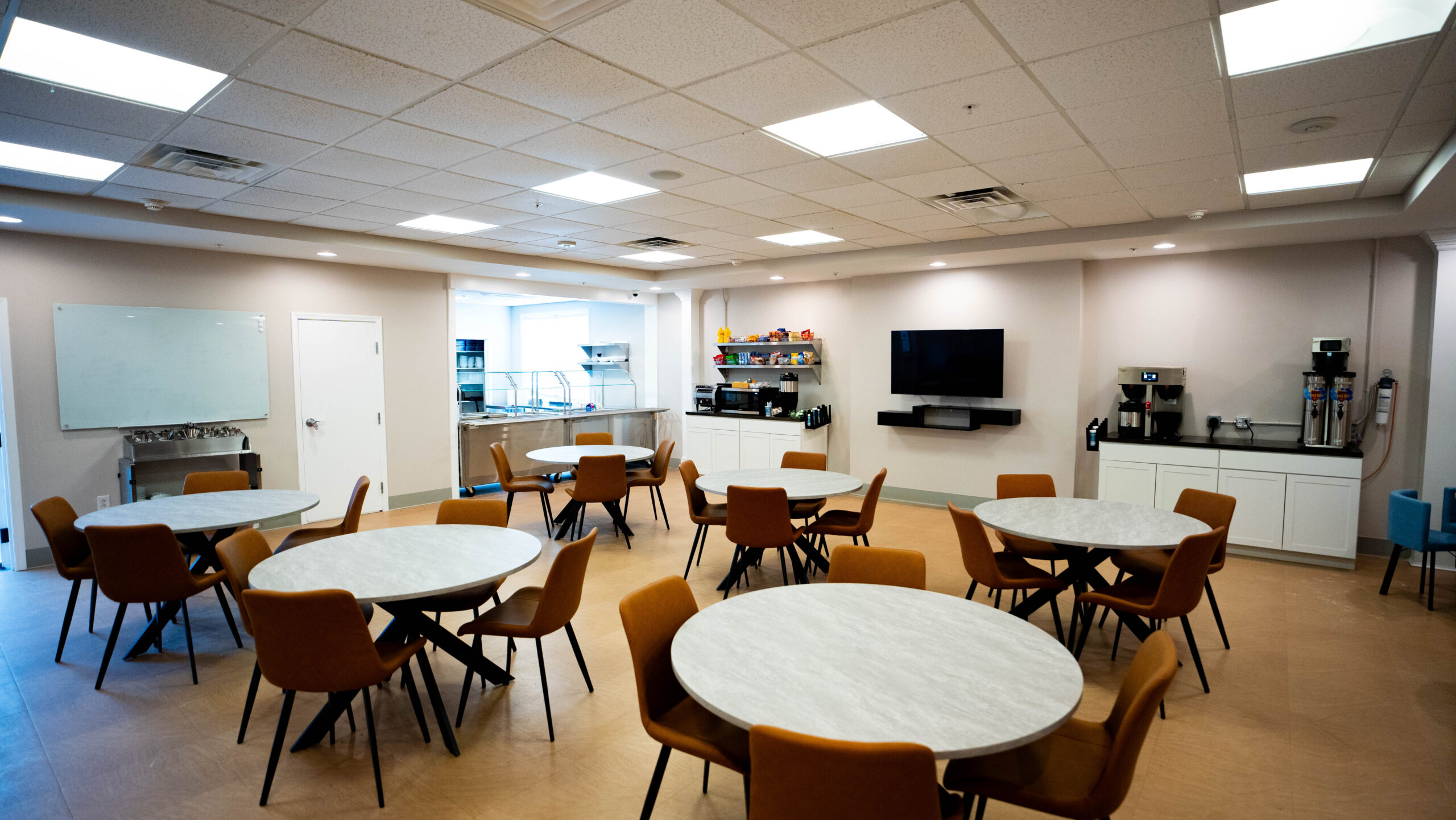
Daily life inside an inpatient facility follows a set routine meant to bring stability back into place. Days are organized around therapy sessions, personal time, and guided activities that support recovery. This structure helps residents rebuild consistency, something that is often missing during active substance use. Treatment plans are adjusted based on individual progress, allowing people to move forward at a pace that feels realistic rather than forced.
Comprehensive Medical Support
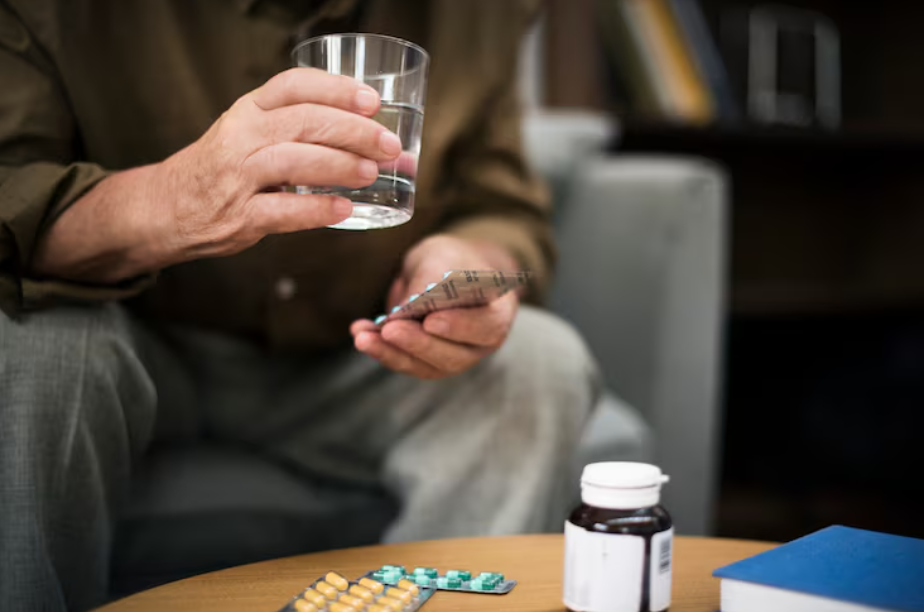
Medical support plays a central role throughout inpatient treatment. Doctors and nursing staff monitor withdrawal symptoms, manage medications when needed, and address existing health concerns as they arise. This ongoing care helps reduce discomfort and prevents complications that could otherwise disrupt recovery. Having medical professionals involved throughout the process also reassures residents that their physical well-being is being taken seriously.
Individualized Therapy Sessions
Individual therapy sessions allow residents to speak openly about personal experiences, habits, and emotional struggles connected to substance use. These sessions focus on understanding patterns rather than assigning blame. Over time, therapy helps individuals recognize triggers, develop healthier responses, and gain insight into decisions that previously felt automatic. Progress often comes gradually, shaped by trust and honest conversation rather than pressure.
Holistic Approach to Recovery
Recovery often involves more than addressing substance use alone. Inpatient rehab programs commonly support physical health, emotional balance, and mental clarity together. Activities that encourage movement, reflection, and stress management can help residents feel more grounded during treatment. Addressing multiple areas of well-being allows recovery to feel more sustainable and better connected to everyday life after discharge.
Building Strong Support Networks
Support does not end when inpatient treatment is completed. Rehab programs emphasize the value of maintaining connections with counselors, peers, and trusted family members. These relationships help individuals stay accountable and supported once they return to familiar environments. Ongoing communication and encouragement can make a significant difference when challenges resurface, helping people stay focused on the progress they have already made.
Related Topics:











.png)
.png)
.png)
.png)
.png)
.png)
.png)
.png)
.png)
.png)

















.png)


.png)
.png)


.jpg)


